上映:
1948-11-19
备注:
HD中字
TAG:
未知
剧情:
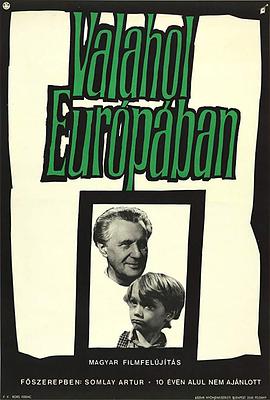
Somewhere in the remote region, the war ends. In the midst of ruined cities and houses in the streets, in rural hamlets, everywhere where people still live, are children who have lost their homes and parents. Abandoned, hungry, and in rags, defenseless and humiliated, they wander through the world. Hunger drives them. Little streams of orphans merge into a river which rushes forward and submerges everything in its path. The children do not know any feeling; they know only the world of their enemies. They fight, steal, struggle for a mouthful of food, and violence is merely a means to get it. A gang led by Cahoun finds a refuge in an abandoned castle and encounters an old composer who has voluntarily retired into solitude from a world of hatred, treason, and crime. How can they find a common ground, how can they become mutual friends? The castle becomes their hiding place but possibly it will also be their first home which they may organize and must defend. But even for this, the price will be very high. To this simple story, the journalist, writer, poet, scriptwriter, movie director, and film theoretician Béla Balázs applied many years of experience. He and the director Géza Radványi created a work which opened a new postwar chapter in Hungarian film. Surprisingly, this film has not lost any of its impact over the years, especially on a profound philosophical level. That is to say, it is not merely a movie about war; it is not important in what location and in what period of time it takes place. It is a story outside of time about the joyless fate of children who pay dearly for the cruel war games of adults. At the time it was premiered, the movie was enthusiastically received by the critics. The main roles were taken by streetwise boys of a children's group who created their roles improvisationally in close contact with a few professional actors, and in the children's acting their own fresh experience of war's turmoil appears to be reflected. At the same time, their performance fits admirably into the mosaic of a very complex movie language. Balázs's influence revealed itself, above all, in the introductory sequences: an air raid on an amusement park, seen in a montage of dramatic situations evoking the last spasms of war, where, undoubtedly, we discern the influence of classical Soviet cinematography. Shooting, the boy's escape, the locomotive's wheels, the shadows of soldiers with submachine guns, the sound of a whistle—the images are linked together in abrupt sequences in which varying shots and expressive sharp sounds are emphasized. A perfectly planned screenplay avoided all elements of sentimentality, time-worn stereotypes of wronged children, romanticism and cheap simplification. The authors succeeded in bridging the perilous dramatic abyss of the metamorphosis of a children's community. Their telling of the story (the scene of pillaging, the assault on the castle, etc) independently introduced some neorealist elements which, at that time, were being propagated in Italy by De Sica, Rossellini, and other film artists. The rebukes of contemporary critics, who called attention to "formalism for its own sake" have been forgotten. The masterly art of cameraman Barnabás Hegyi gives vitality to the poetic images. His angle shots of the children, his composition of scenes in the castle interior, are a living document of the times, and underline the atmosphere and the characters of the protagonists. The success of the picture was also enhanced by the musical art of composer Dénes Buday who, in tense situations, inserted the theme of the Marseilaise into the movie's structure, as a motive of community unification, as an expression of friendship and the possibility of understanding. Valahol Europaban is the first significant postwar Hungarian film. It originated in a relaxed atmosphere, replete with joy and euphoria, and it includes these elements in order to demonstrate the strength of humanism, tolerance, and friendship. It represents a general condemnation of war anywhere in the world, in any form.收起
相关影片
2030剧情片中国大陆
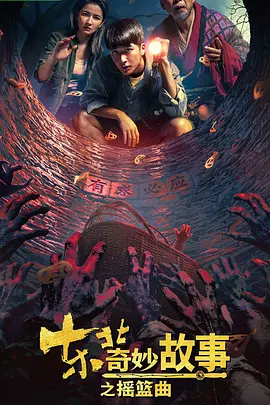
殡葬民俗与悬疑探案交织,借一座老宅、一口古井,揭开三代人缠绕的执念与秘密。影片以阿尔茨海默病家庭为切口,用科学精神破除迷信迷障,在悬疑与反转中传递“生命落幕,爱意不散”的温暖主题。
更新至高清
2030剧情片中国大陆
HD


2027剧情片中国大陆
更新至高清

2026剧情片印度
兰维尔·辛格 阿克夏耶·坎纳 桑杰·达特 阿俊·拉姆鲍 马达范 莎拉·阿尔琼 Rakesh Bedi Danish Pandor Saumya Tandon 高拉夫·杰拉 Manav Gohil Naveen Kaushik 阿卡什·库拉纳 K Anshuman Thakur Vikash Rai
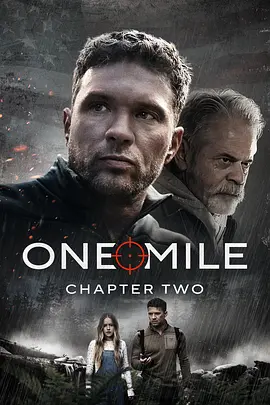
Hamza Ali Mazari, whose real identity is Jaskirat Singh Rangi, pursues his undercover operation within Pakistan's criminal world while tracking down Majo.
更新至高清

2026剧情片中国大陆
更新至HD
2026剧情片美国
HD
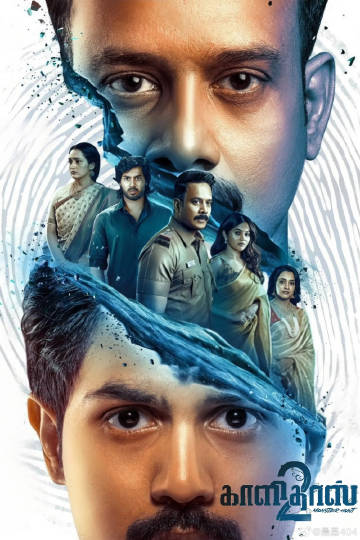
2026剧情片印度
更新至HD
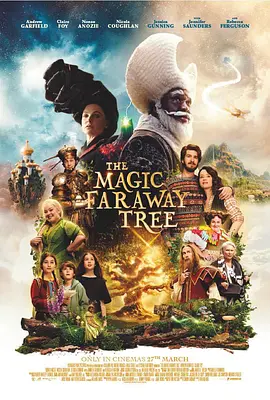
2026剧情片英国
安德鲁·加菲尔德 克莱尔·芙伊 妮可拉·考夫兰 杰西卡·古宁 丽贝卡·弗格森 侬索·阿诺斯 珍妮弗·桑德斯 菲尼克斯·拉罗什 马克·希普 达斯汀·德姆瑞·伯恩斯 西蒙·拉塞尔·比尔 皮帕·贝内特-华纳 迈克尔·帕林 伦尼·亨利 奥利弗·克里斯 Billie Gadsdon 蒂姆· 普莱斯特 皮埃尔·伯格曼 汤姆·米滕 Jos Vantyler
波莉和蒂姆夫妻以及他们的孩子贝丝、乔和弗兰——一个现代家庭被迫搬到偏远的英国乡村居住,不久后孩子们发现了一棵神奇的树以及树上奇特古怪的生物,他们攀上树顶,去到各种壮观而奇幻的地方,通过欢乐趣事和冒险挑战,这个家庭多年来第一次学会重新建立联系并相互珍惜。 影片改编自伊妮德·布莱顿的同名小说。
更新至高清
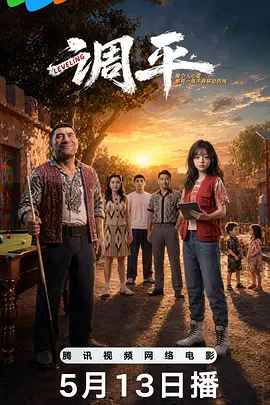

2026剧情片中国大陆
更新至HD
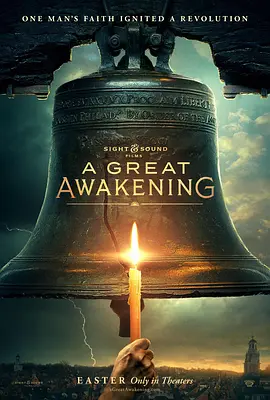
2026剧情片美国
更新至高清
正在热播
更多
2026科幻片美国
瑞恩·高斯林 桑德拉·惠勒 詹姆斯·奥尔蒂斯 莱昂内尔·博伊斯 梁振邦 米拉娜·薇恩翠 普里亚·坎萨 利兹·金斯曼 马拉基·卡比 梅丽尔·斯特里普 尤妮斯·胡特哈特 雷·波特 达米安·德·弗罗贝维尔 米娅·索特里乌 亚伦·尼尔 奥赖恩·李 迈克尔·阿金绥尔 安妮勒·奥拉莱 玛雅·伊娃·侯赛因 巴斯蒂安·安东尼奥·富恩特斯 爱丽丝·布里塔因 特拉维斯·杰 杰弗里·兰布 保罗·兰伯特 米歇尔·格里尼奇 伯恩哈德·舒茨
太阳正在被“吃”掉,绝望吞噬地球。⼀名“平凡”的中学教师格雷斯(瑞恩·⾼斯林 饰)背负全人类的希望,踏上“太空不归路”。末路孤旅中,他意外遇到一位外星萌友,一个同样身陷绝境的外星工程师,这对“宇宙搭子
HD

2026国产剧中国大陆
完结
2026国产剧中国大陆
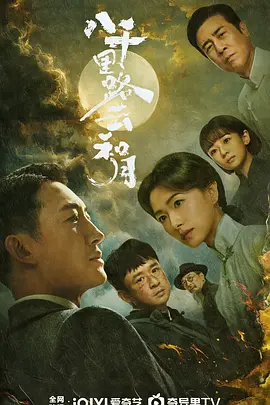
淞沪会战爆发,厨子孟万福(黄澄澄 饰)只想求生,却被国民党抓伕充军。旅长张云魁(王阳 饰)一心报国,却因高层指挥失误陷入绝境。战场上,张云魁抱必死决心率残部突围接应援军,孟万福受其嘱托远赴南京报丧。张云魁奇迹般生还,却被国民党高层污蔑为"逃跑将军"。申诉无果的他,在与新四军团长谢语峰相遇后重燃希望,返乡组建民团抗击日寇并加入了中国共产党。与此同时,孟万福阴差阳错照顾起张家老小,与张云魁太太丁玉娇(万茜 饰)患难与共。在中共地下党员曾雪飞的引导下,两人先后投身共产革命。在
更新至第40集

2026国产剧中国大陆
更新至第22集

2026国产剧中国大陆
更新至第28集

2025国产剧大陆
更新至第36集

2024剧情片大陆
更新至高清

2025剧情片中国大陆
更新至高清

2025国产动漫美国
HD
2025动作片香港
HD
2025国产剧大陆
更新至第40集完结
2025剧情片大陆
HD